产品 电池测试与电化学设备 电池测试治具

电池测试治具

Electrochemical evaluation demands flawless electrical contact and precise mechanical stability across battery testing workflows. KINTEK provides an extensive suite of battery test fixtures engineered for coin cells, pouch cells, cylindrical formats (18650, 21700, 4680), and large prismatic cells. Our portfolio includes:

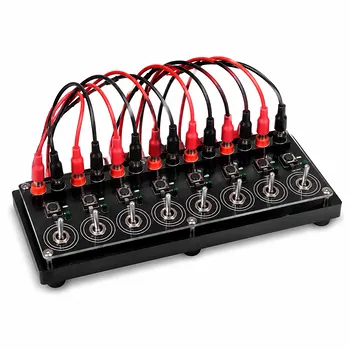
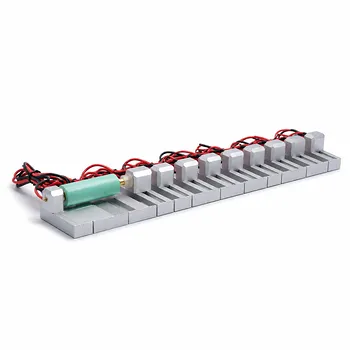
  • Coin Cell Fixtures & Multi-Channel Racks: High-throughput 8-channel modules and clip holders for low-noise CR-series testing.
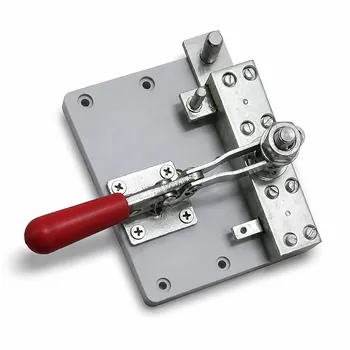
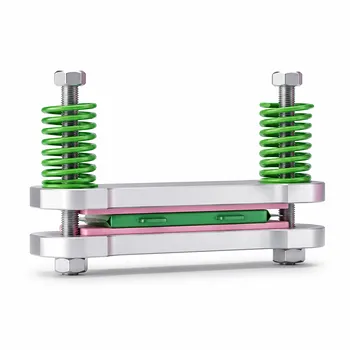
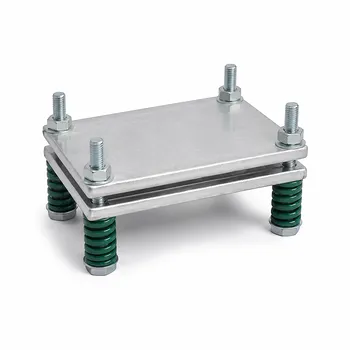
  • Pouch Cell & Polymer Clamps: Rapid toggle clamps, high-current connectors (up to 350A), and precision pressurization fixtures delivering uniform mechanical compression (0–3000 N).
  • Cylindrical Cell Holders: Extended CNC aluminum, dual self-locking, and high-ampere 4-wire Kelvin contact fixtures.
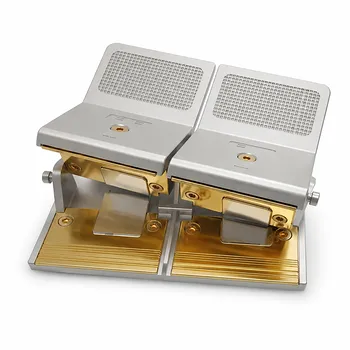
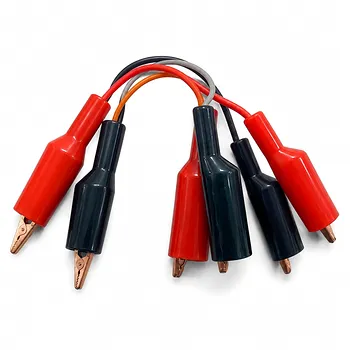
  • Prismatic & Specialized Cell Testing Modules: Same-side terminal fixtures, high-voltage busbar clamps, and modular Kelvin alligator clips.

Engineered with gold-plated contacts, UL94 V-0 flame-retardant insulations, and broad thermal endurance (-55°C to +155°C), our fixtures eliminate interfacial impedance anomalies to deliver reliable, publication-grade cycling and impedance spectroscopy data.
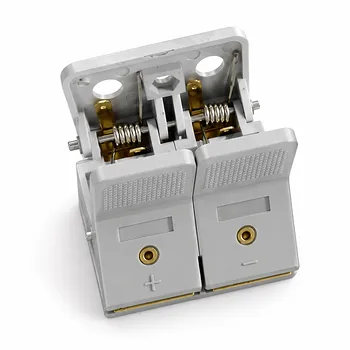
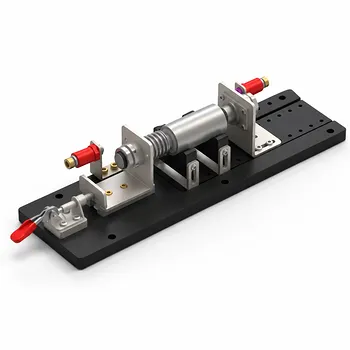
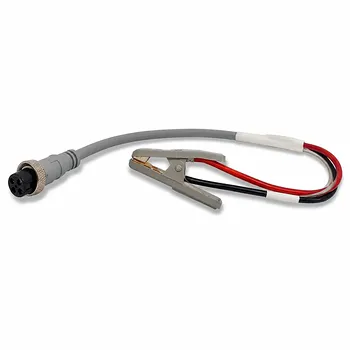
Precision Battery Test Fixtures: Enhancing Accuracy in Electrochemical Characterization

In modern battery research and development, experimental accuracy hinges on the fidelity of the electrical and mechanical interface between the cell under test and the multichannel cycler or potentiostat. Uncontrolled contact resistance, parasitic lead inductance, uneven mechanical stack pressure, and thermal degradation at connection terminals can severely distort electrochemical measurements. These artifacts often lead to false internal resistance calculations, misleading rate capability evaluations, and premature cycle-life termination.

KINTEK’s high-performance battery test fixtures are purpose-built to eliminate these testing anomalies. Designed for academic laboratories, industrial R&D centers, and battery manufacturing pilot lines, our fixtures provide ultra-low contact resistance, pristine signal isolation, and dependable mechanical clamping. Whether you are conducting microampere-level electrochemical impedance spectroscopy (EIS) on novel solid-state chemistries or subjecting high-energy automotive cells to 350A fast-charging pulses, KINTEK delivers the structural integrity and electrical precision your data demands.


The Science of Four-Wire Kelvin Sensing in Cell Testing

Standard two-wire measurement configurations conflate the internal resistance of the battery with the electrical resistance of the test leads, terminal clamps, and contact interfaces. In low-impedance modern lithium-ion and sodium-ion batteries—where cell internal resistance often falls below 1 milliohm—two-wire contact errors can exceed the cell’s actual resistance by several orders of magnitude.

获取报价

我们的专业团队将在一个工作日内回复您。请随时与我们联系!