KINTEK battery testing equipment supports battery R&D, electrode evaluation, cell formation, performance validation, quality control, and advanced materials research. The range includes multi-channel coin cell testers, high-current lithium-ion and supercapacitor testers, laptop battery analyzers with SMBUS/I2C communication, battery internal resistance testers, high-power battery test systems, and constant-temperature chambers. With programmable charge-discharge control, pulse and DCIR testing, accurate measurement, safety protection, and flexible data management, these systems help researchers evaluate cells consistently across different chemistries, formats, capacities, and testing conditions.
切换分类
电池测试设备
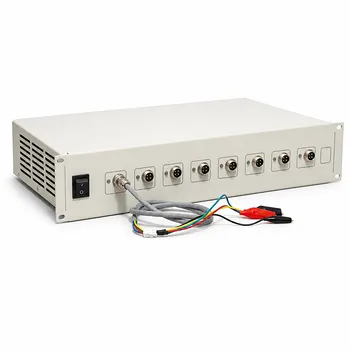
5V 10mA 纽扣电池测试仪 8通道电池测试设备
货号: DC01
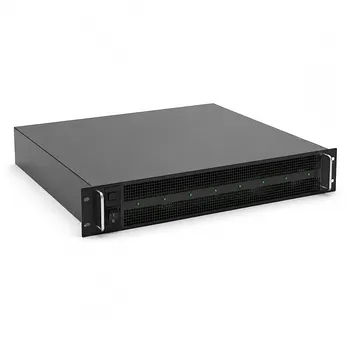
笔记本电脑电池测试仪 24V 15A 八通道 SMBUS 电池分析仪
货号: DC06
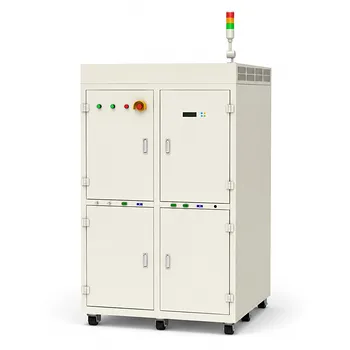
100V 1000A 电池测试系统
货号: DC07
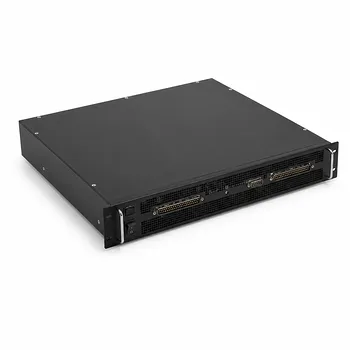
20V 10A 电池测试设备
货号: DC10
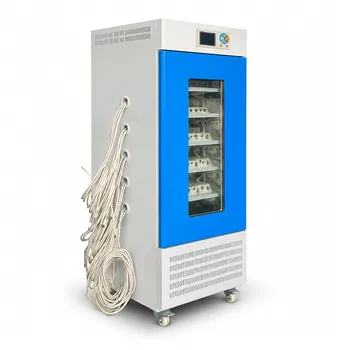
电池恒温测试系统
货号: DC14
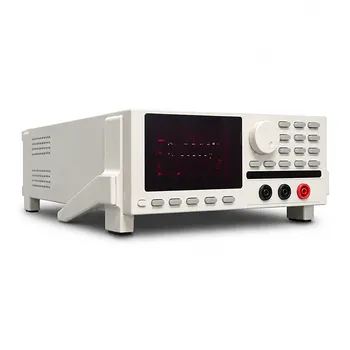
电池内阻测试仪
货号: DC16
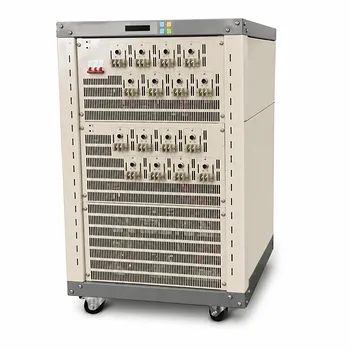
5V 30A 锂离子电池及超级电容器测试设备 电池测试仪
货号: DC12
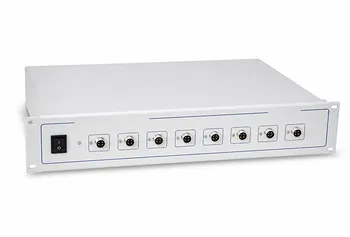
5V 20mA 扣式电池测试仪 电池测试设备
货号: DC02
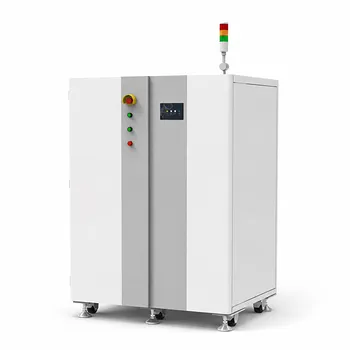
20V 10A 电池测试仪 电池测试设备
货号: DC09
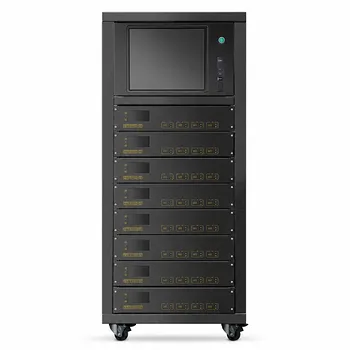
5V 5A 锂离子电池测试设备 电池测试仪
货号: DC13
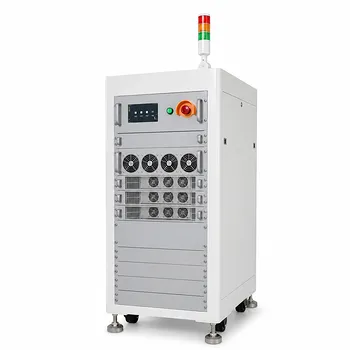
50V 500A 锂电池测试仪
货号: DC04
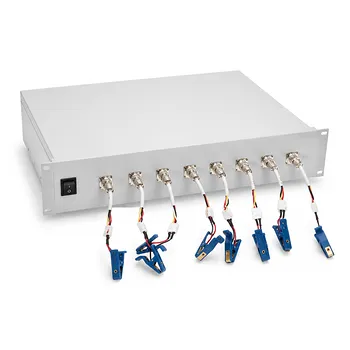
5V 50mA 纽扣电池测试设备 电池测试仪
货号: DC03
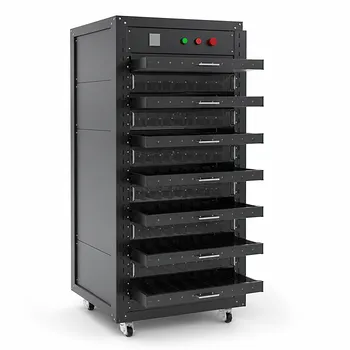
5V12A 电池测试仪 64通道电池测试系统
货号: DC05
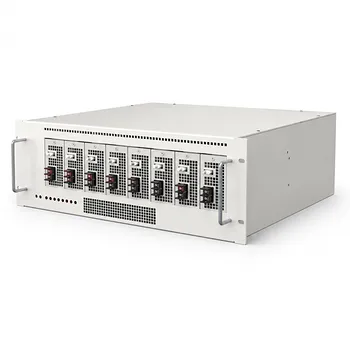
5V 30A 电池测试仪(支持上位机连接)
货号: DC08
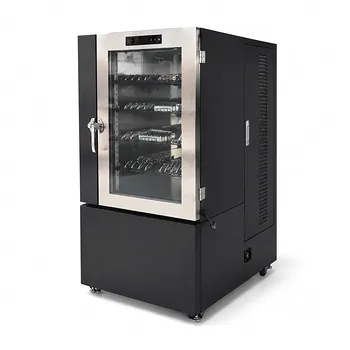
用于电池研究与材料测试的集成式恒温试验箱
货号: DC15
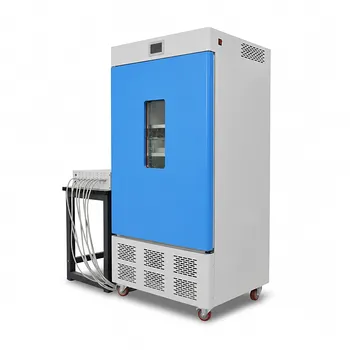
电池测试温控系统
货号: DC19
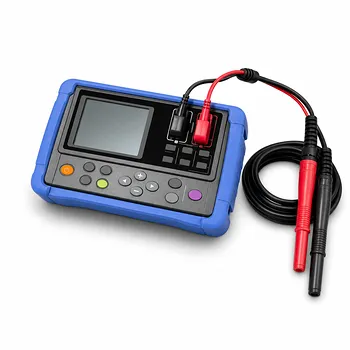
电池测试仪 内阻、电压、温度测量
货号: DC17
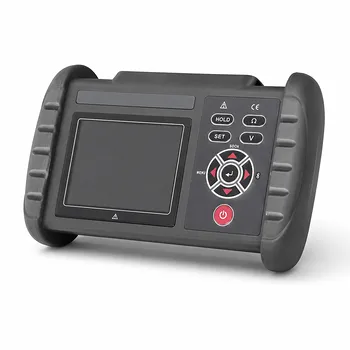
用于电池内阻测试的通用可充电电池内阻测试仪
货号: DC18
Precision Battery Testing Equipment for Research, Validation, and Quality Control
Battery performance depends on much more than nominal voltage and capacity. Researchers and engineers need to understand how a cell behaves during formation, repeated cycling, high-rate operation, pulse loading, storage, temperature variation, and end-of-life conditions. KINTEK battery testing equipment is designed to provide controlled, repeatable, and traceable measurement throughout these stages. From low-current coin cell experiments to high-power battery pack development, our systems help laboratories, pilot production lines, universities, and industrial R&D teams convert electrochemical behavior into reliable test data.
Our battery testing portfolio covers a broad range of operating requirements. It includes compact multi-channel testers for coin cells and electrode research, programmable systems for rechargeable lithium-ion cells and supercapacitors, laptop battery analyzers with SMBUS and I2C communication, dedicated internal resistance instruments, temperature-controlled testing systems, and high-power platforms reaching 50 V/500 A or 100 V/1000 A. This range allows users to select equipment according to cell format, current level, voltage window, channel count, test method, and laboratory workflow rather than adapting their research to a one-size-fits-all instrument.
Complete Testing Coverage for Different Battery Formats
Battery laboratories often work with several cell formats during the same development program. Coin cells are commonly used for initial electrode screening because they require relatively small material quantities and can be assembled quickly. Pouch, prismatic, and cylindrical cells are then used to verify whether promising materials and formulations maintain their performance at larger or more representative scales. Laptop battery packs and other smart batteries may additionally require communication with an internal battery management system.
KINTEK systems are available for these different testing scenarios. Low-current 5 V coin cell testers are suitable for early-stage electrode studies, formation experiments, capacity evaluation, rate testing, pulse profiles, and DCIR analysis. Models with 10 mA, 20 mA, or 50 mA output can be matched to different research requirements, while 5 V/5 A, 5 V/12 A, and 5 V/30 A platforms extend testing capability to higher-capacity cells and more demanding charge-discharge programs. Eight-channel and 64-channel configurations help laboratories balance experimental flexibility with throughput.
For applications requiring higher power, 20 V/10 A systems provide independent channels, programmable control, cycling capability, and data export for battery development and validation. The 50 V/500 A and 100 V/1000 A systems are intended for demanding high-current battery development, module or pack validation, dynamic testing, and production-oriented research. These larger systems can support high-power charge and discharge profiles while maintaining measurement control and incorporating protective functions appropriate for higher-energy test objects.
Supercapacitor research presents different electrical behavior and often requires rapid charge-discharge transitions, pulse testing, and frequent data acquisition. Our 5 V/30 A battery and supercapacitor testing equipment is designed for this type of work, offering independent channels, high-speed recording, pulse and DCIR functions, and centralized data management. By selecting the appropriate system, users can investigate energy density, power density, equivalent series resistance, rate capability, cycling stability, and dynamic response using a controlled and repeatable test method.
Programmable Charge and Discharge Testing
The core function of a battery tester is to control current and voltage accurately while recording the response of the test cell. KINTEK battery testing equipment supports programmable charge-discharge procedures that can be organized into multiple steps. Depending on the model and application, a test sequence may include constant-current charging, constant-voltage charging, rest periods, constant-current discharging, pulse loading, open-circuit relaxation, capacity grading, and repeated cycling.
This flexibility is important because battery behavior changes according to the test protocol. A simple constant-current discharge can provide capacity and energy data, but it may not reveal polarization, rate limitations, recovery behavior, or resistance growth. A multi-step sequence can more closely reproduce real operating conditions or isolate specific electrochemical mechanisms. Researchers can create procedures for formation, aging, cycle-life testing, rate performance, hybrid pulse power characterization, storage evaluation, and comparative material screening.
Independent channel regulation is particularly valuable when several cells must be tested at the same time. Each channel can operate according to its own programmed conditions, allowing different materials, electrode loadings, electrolyte formulations, or cell designs to be compared within one experiment. Independent control also reduces the need to use identical samples and identical schedules across all channels. This improves laboratory utilization and supports efficient screening during battery development.
For production and quality applications, programmable testing helps standardize inspection procedures. Defined limits for voltage, current, capacity, time, temperature, internal resistance, and other parameters can be applied consistently from batch to batch. Data can then be reviewed for out-of-range behavior, abnormal capacity, excessive resistance, poor balancing, or early degradation. This supports process verification, cell grading, incoming inspection, and final quality evaluation.
Pulse Testing and DCIR Analysis
Pulse testing applies short-duration current or power changes to observe the immediate electrical response of a cell. It is useful for evaluating dynamic performance, voltage drop, recovery characteristics, power capability, and resistance-related behavior. Pulse methods can support battery management research, automotive and portable power applications, fast-charge studies, electrode comparison, and simulation model development.
Direct current internal resistance, or DCIR, is commonly calculated from the voltage response produced by a controlled current step. Because the measured value depends on pulse duration, state of charge, temperature, rest time, and test current, a reliable system must provide accurate timing and coordinated current-voltage measurement. KINTEK battery testers with pulse and DCIR functions allow users to define appropriate testing conditions and compare cells under repeatable procedures.
DCIR data can help identify changes that may not be immediately visible in capacity results. A cell can retain reasonable capacity while its internal resistance increases, resulting in greater heat generation, lower power output, and larger voltage sag under load. Monitoring resistance during cycle-life tests or at different states of charge provides additional insight into aging, contact quality, electrode degradation, and cell consistency.
The appropriate sampling rate depends on the application. Selected KINTEK platforms provide fast recording, including systems with 10 Hz, 100 Hz, or higher-frequency measurement capability according to configuration. High-speed data acquisition is useful for observing short pulses and transient responses, while lower-speed long-duration recording may be more appropriate for capacity cycling and calendar aging. Our team can help match the instrument and acquisition settings to the time scale of your experiment.
Internal Resistance, Voltage, and Temperature Measurement
Internal resistance measurement is an important part of battery inspection, maintenance, sorting, and research. KINTEK offers dedicated battery internal resistance testers as well as battery testers that integrate resistance, voltage, and temperature measurement. These instruments can be used for rechargeable battery inspection, production testing, laboratory evaluation, energy storage maintenance, and cell matching.
Four-wire measurement helps reduce the influence of lead and contact resistance. Depending on the model, users can select AC internal resistance measurement, DC resistance evaluation, voltage measurement, and temperature monitoring. Resolution options include highly sensitive ranges such as 1 microohm or 10 microohms on suitable instruments. Measurement speed, programmable sorting, pass-warning-fail evaluation, and stored results can support both laboratory analysis and routine quality inspection.
Portable models provide additional flexibility for field service, battery maintenance, warehouse inspection, and incoming quality control. USB connectivity, wireless expansion, Bluetooth communication, or computer-based data transfer may be available according to the selected configuration. This allows measurements to be documented and compared instead of relying only on manual readings. For automated environments, SCPI or Modbus connectivity can help integrate the instrument into a larger test or manufacturing system.
Resistance results should always be interpreted together with cell voltage, temperature, state of charge, cell format, and measurement method. KINTEK can assist users in selecting suitable fixtures, cables, probes, software functions, and test procedures so that the final measurement reflects the actual objective of the project rather than only a nominal instrument specification.
Temperature-Controlled Battery Testing
Temperature has a direct influence on battery electrochemical kinetics, ionic conductivity, charge acceptance, capacity, resistance, safety, and aging. A test performed at uncontrolled laboratory temperature may not be directly comparable with another test conducted under different ambient conditions. For this reason, controlled temperature testing is essential when evaluating battery materials, validating cell performance, or establishing repeatable quality procedures.
KINTEK battery constant-temperature testing systems and integrated temperature control chambers provide stable environments for charging and discharging coin, pouch, prismatic, and cylindrical cells. Available temperature ranges include configurations such as 0 to 60 °C or 5 to 70 °C, depending on the model. PID-based control helps maintain the set point, while insulated sample storage and uniform chamber conditions help reduce temperature variation between test samples.
Temperature-controlled testing can be used for low-temperature capacity evaluation, high-temperature aging, thermal performance comparison, charge acceptance studies, cycle-life testing, temperature-dependent DCIR measurement, and validation of operating windows. Stable thermal transitions are also useful when a test protocol requires multiple temperature stages. Ethernet connectivity or other communication options can support supervision, logging, and integration with laboratory data systems where available.
When combining a chamber with a battery tester, it is important to consider cell dimensions, fixture arrangement, cable routing, heat dissipation, channel count, charging power, and safety requirements. KINTEK can help configure the chamber and tester as a coordinated system, reducing the risk of inadequate space, unsuitable feedthroughs, or mismatch between the temperature environment and electrical test conditions.
Data Recording, Management, and Export
A battery test is only as useful as the quality and traceability of its data. KINTEK testing equipment is designed to support organized recording of voltage, current, capacity, energy, time, temperature, resistance, channel status, and programmed test steps. Depending on the model, users may access local control, host-computer connection, database management, MySQL-based storage, USB export, Ethernet communication, wireless connectivity, SCPI, or Modbus integration.
Centralized data management is especially useful for multi-channel systems. Researchers can review multiple cells, compare cycle curves, identify abnormal channels, and preserve test records for later analysis. Exportable files can be used to calculate coulombic efficiency, energy efficiency, capacity retention, voltage hysteresis, resistance growth, pulse response, and other performance indicators. Data organization also supports repeatability when experiments are performed by different operators or across different batches.
For pilot production and quality control, structured data can help connect test results with cell identification, material batch, assembly date, process conditions, and operator records. This creates a more complete picture of product consistency and makes it easier to investigate deviations. In automated or semi-automated laboratories, communication interfaces can reduce manual transcription and enable test scheduling, equipment monitoring, and result collection through an existing control platform.
Safety and Protection for Battery Research
Battery testing involves stored electrical energy and, depending on the chemistry and test condition, potential risks associated with overcharge, over-discharge, excessive current, overheating, short circuits, or abnormal cell behavior. Appropriate protection is therefore an essential part of a reliable test system. KINTEK battery testers incorporate configurable safety functions according to model and application, helping protect the test object, instrument, and laboratory environment.
Protection settings may include voltage limits, current limits, capacity limits, time limits, temperature limits, communication monitoring, channel fault handling, and emergency stop functions. When a test encounters an abnormal condition, the system can respond according to the configured procedure rather than continuing uncontrolled operation. The exact protection functions vary by equipment model, so users should define their battery type, energy level, test current, fixture arrangement, and laboratory safety requirements during selection.
Safety also depends on correct cell fixtures, wiring, polarity, ventilation, thermal control, operator training, and the surrounding test environment. KINTEK provides technical guidance on system configuration and can discuss additional requirements such as auxiliary temperature monitoring, protective enclosures, custom connectors, chamber integration, or higher-power safety arrangements.
Scalable Systems for Laboratory and Production Workflows
Battery development programs change over time. A laboratory may begin with a few coin cell channels, move to larger pouch cells, and later require higher current, more channels, temperature control, or automated data handling. Selecting a scalable testing platform can reduce equipment replacement and support a smoother transition from material screening to validation and pilot production.
KINTEK offers compact instruments for focused research as well as systems with four, eight, sixteen, or sixty-four independent channels and high-power configurations for larger test objects. A multi-channel system can improve throughput without sacrificing independent programming. A high-current system can support more realistic operating profiles. A temperature-controlled system can add environmental repeatability. A dedicated resistance tester can provide rapid inspection alongside long-duration cycling equipment.
The best configuration depends on the complete workflow. Important selection factors include cell chemistry, cell format, nominal voltage, maximum charge and discharge current, required power, number of simultaneous samples, pulse duration, sampling frequency, temperature range, communication protocol, fixture type, and expected future expansion. Our product specialists can help compare these requirements and recommend a practical combination of instruments rather than focusing on a single headline parameter.
Professional Configuration and Customization from KINTEK
KINTEK focuses on laboratory equipment for battery R&D and advanced materials research, with experience across the cell fabrication and evaluation workflow. Our capabilities include equipment for slurry mixing, coating, precision pressing, cell assembly, battery testing, and related materials research processes. This broader understanding helps us consider how a battery tester will be used alongside electrode preparation, cell assembly, environmental control, and data analysis equipment.
We support customization for electrical range, channel quantity, fixture design, communication, data management, temperature control, auxiliary monitoring, software functions, and system integration where technically appropriate. Customization may be useful when testing nonstandard cell dimensions, specialized chemistries, unusual current profiles, custom connectors, research-specific pulse sequences, or production inspection requirements. We can also discuss manual laboratory configurations, host-computer operation, networked systems, and higher-throughput test arrangements.
Before recommending equipment, we encourage customers to provide details such as battery chemistry, cell format, voltage range, capacity, maximum charge and discharge current, desired test temperature, test duration, number of channels, pulse requirements, resistance measurement method, and preferred data interface. These details allow us to evaluate compatibility, identify necessary accessories, and avoid selecting a system that is oversized, underpowered, or unsuitable for the intended test procedure.
Whether you are screening new electrode materials, establishing formation protocols, studying cycle life, characterizing supercapacitors, inspecting rechargeable batteries, validating a battery module, or building a production quality-control station, KINTEK can help you develop a dependable testing solution. Tell us about your battery testing requirements and our team will recommend suitable equipment, configuration options, and customization services for your application. Contact KINTEK today to turn your testing objectives into accurate, repeatable, and actionable battery performance data.
获取报价
我们的专业团队将在一个工作日内回复您。请随时与我们联系!