KINTEK’s cylindrical cell assembly equipment supports battery R&D, laboratory validation, pilot production, capacitor manufacturing, and high-efficiency lithium-ion cell workflows. The range includes winding machines, case grooving and opening equipment, electrolyte filling and soaking systems, spot and ultrasonic welders, multi-stage sealing and crimping machines, bottom welding and groove rolling systems, heat-shrink packaging equipment, and precision liquid metering pumps. With manual, semi-automatic, automatic, glovebox-compatible, and production-oriented configurations, these systems help researchers and manufacturers build repeatable cylindrical cells across 18650, 21700, 26650, and other formats.
切换分类
圆柱电池组装设备
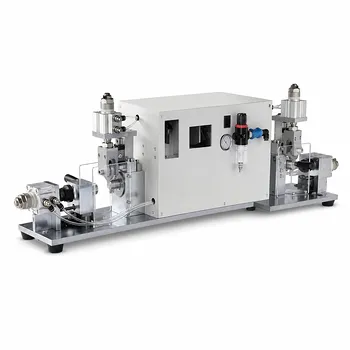
半自动圆柱电池切槽机
货号: YZ08
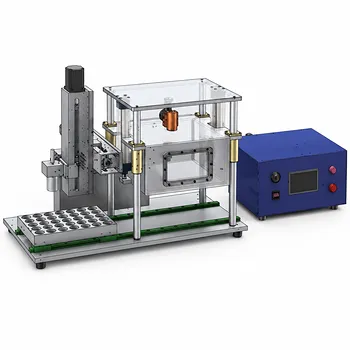
电解液真空注液与浸润一体机
货号: YZ13
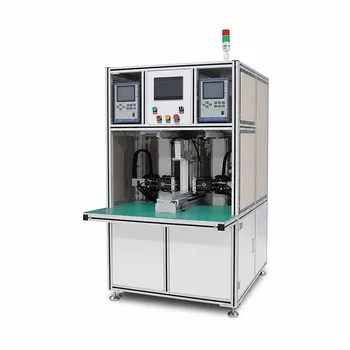
五轴双面自动伺服点焊机
货号: YZ06
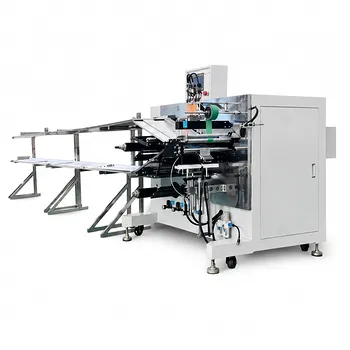
半自动圆柱电池卷绕机
货号: YZ04
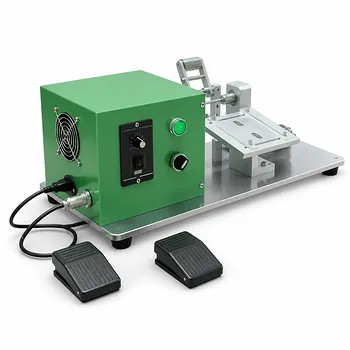
手动锂电池极片卷绕机
货号: YZ01
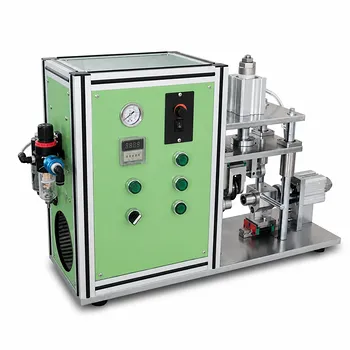
圆柱电池及电容器外壳切槽机
货号: YZ09
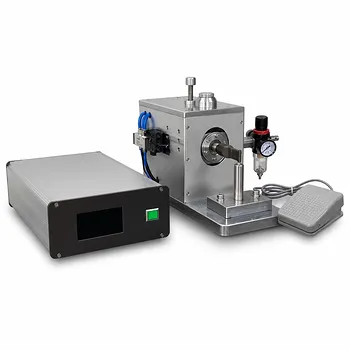
超声波金属焊接机 电池盖铝片单点焊接
货号: YZ05
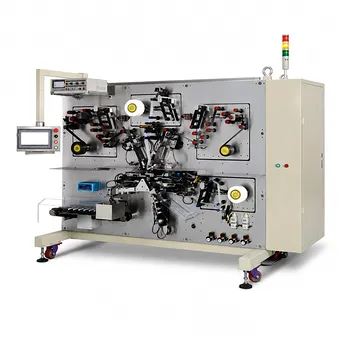
全自动圆柱锂电池卷绕机
货号: YZ03
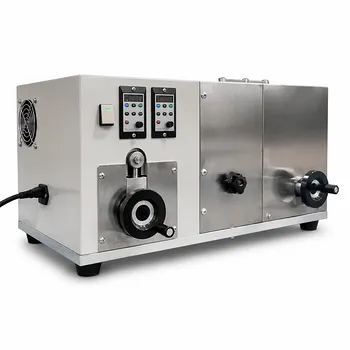
18650 21700系列实验室圆柱电池开壳机
货号: YZ20
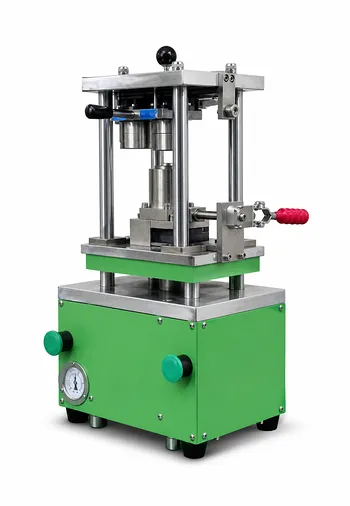
实验室电池研究用气动圆柱电池封口机
货号: YZ19
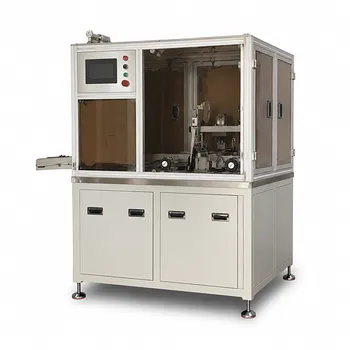
全自动机械电池封口机
货号: YZ21
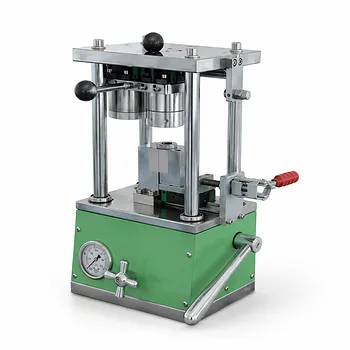
实验室手动圆柱电池封口机
货号: YZ17
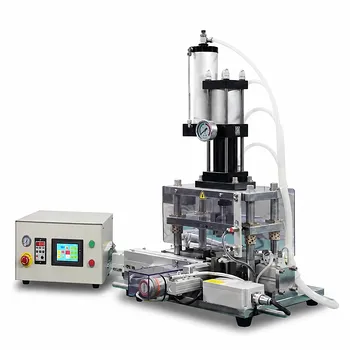
手套箱兼容型圆柱电池自动封口机
货号: YZ23
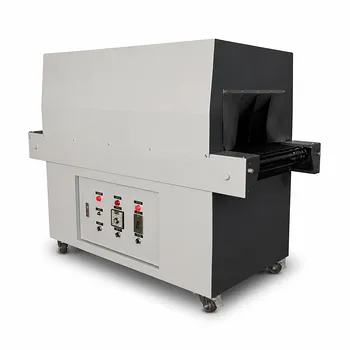
高速恒温PVC热收缩机 热收缩包装机
货号: YZ24
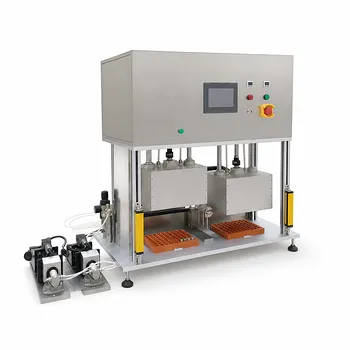
双工位真空自动注液机
货号: YZ15
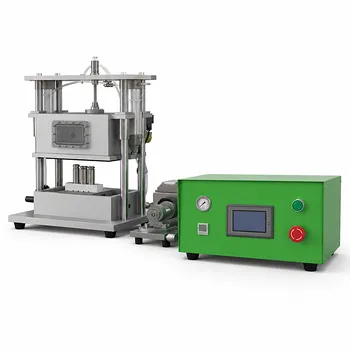
电池电容器极片真空注液与静置一体机
货号: YZ14
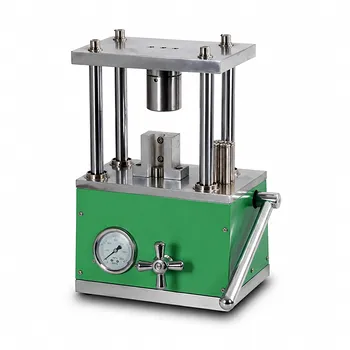
实验室手动圆柱电池第三道封口机
货号: YZ18
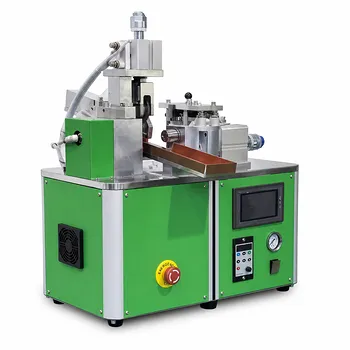
用于18650、21700和26650钢壳的圆柱电池自动滚槽机
货号: YZ10
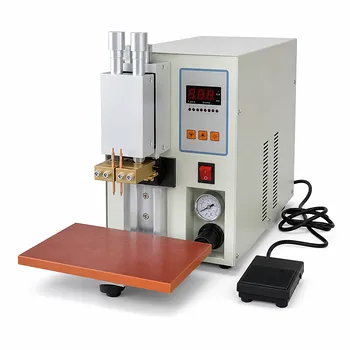
18650圆柱电池微电脑精密双脉冲气动点焊机
货号: YZ07
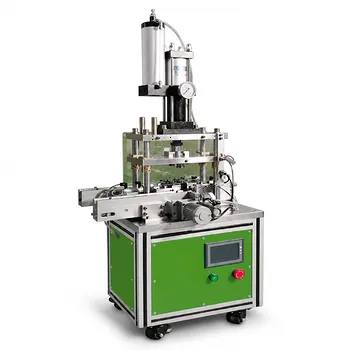
圆柱电池自动液压封口机
货号: YZ22
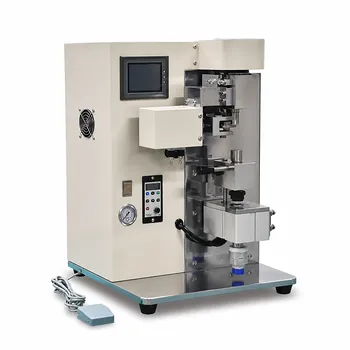
立式圆柱电池滚槽机
货号: YZ12
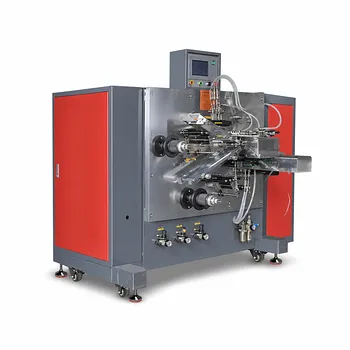
半自动圆柱锂电池卷绕机
货号: YZ02
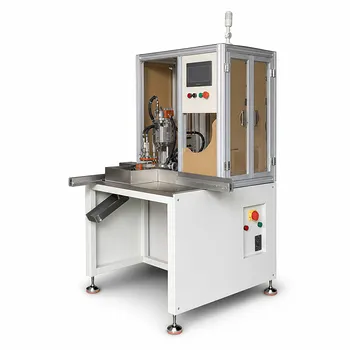
圆柱电池半自动底部点焊及滚槽机
货号: YZ11
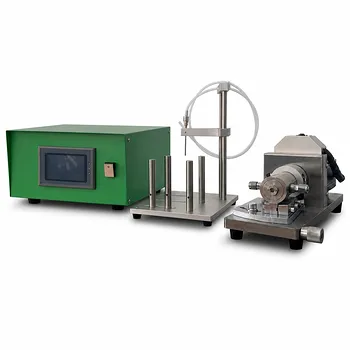
用于微量液体计量的精密陶瓷旋转柱塞泵
货号: YZ16
Cylindrical Cell Assembly Equipment for Controlled, Repeatable Battery Manufacturing
Cylindrical cell assembly requires more than a single piece of equipment. The winding, case preparation, welding, electrolyte filling, soaking, sealing, crimping, inspection, and packaging stages must work together to protect electrode alignment, maintain dimensional accuracy, control contamination risks, and produce stable electrochemical performance. KINTEK’s cylindrical cell assembly equipment is designed to support this complete workflow, giving battery researchers, university laboratories, pilot-line engineers, and production teams practical tools for preparing reliable cylindrical cells and battery-related components.
Our portfolio covers equipment for both experimental development and scalable manufacturing. Depending on the project, users can select compact manual machines for flexible laboratory work, semi-automatic systems for repeatable sample production, or fully automatic equipment for higher throughput and improved process consistency. The product range is suitable for common cylindrical cell formats such as 18650, 21700, 26650, and 32650, while selected machines can also support capacitor shells, aluminum cases, pouch-cell-related processes, battery packs, and other advanced materials assembly applications.
A Complete Equipment Range for the Cylindrical Cell Workflow
KINTEK offers equipment for the key operations involved in cylindrical battery and capacitor cell assembly:
- Electrode winding: Manual, semi-automatic, and fully automatic cylindrical winding machines help assemble electrode and separator layers with controlled alignment, adjustable speed, tension management, tape application, and reliable unloading. These systems are suitable for laboratory cells, pilot production, and more automated manufacturing environments.
- Case grooving and opening: Cylindrical battery grooving machines form controlled grooves in steel battery cases and aluminum capacitor shells. Adjustable groove depth, width, speed, tooling, and feeding parameters support different cell formats and process requirements. Case opening machines with interchangeable tooling and tungsten carbide blades assist with controlled laboratory disassembly and sample preparation.
- Electrolyte filling and soaking: Vacuum electrolyte filling systems and integrated filling-and-standing machines help improve electrolyte distribution and absorption. Available solutions include dual-station automatic systems, vacuum filling and soaking equipment, PLC-controlled machines, and configurations compatible with gloveboxes or dry rooms.
- Battery welding: Spot welding machines, five-axis double-sided servo welding systems, dual-pulse pneumatic welders, bottom spot welding equipment, and ultrasonic metal welding machines support tabs, battery caps, aluminum strips, and battery pack connections. Programmable welding points, adjustable energy, pressure verification, and process monitoring help produce repeatable joints.
- Sealing and crimping: Manual, pneumatic, hydraulic, mechanical, automatic, and glovebox-compatible cylindrical battery sealing machines provide solutions for different research and production levels. Multi-stage sealing and crimping can improve closure consistency, edge quality, airtightness, and cell reliability.
- Finishing and packaging: Constant-temperature PVC heat-shrink machines support battery pack film processing and final packaging, while precision ceramic rotary plunger pumps provide accurate micro-liquid metering for electrolytes, chemicals, adhesives, and other process fluids.
This broad selection enables users to configure a cell assembly line around their materials, cell dimensions, throughput targets, operating atmosphere, and available laboratory or factory space.
Precision Winding for Stable Cylindrical Cell Construction
Winding is one of the most influential steps in cylindrical cell fabrication. Electrode sheets and separator films must be fed and aligned smoothly to form a compact jelly roll without excessive wrinkles, telescoping, edge damage, or uncontrolled tension. Inconsistent winding can contribute to poor internal contact, uneven compression, separator defects, dimensional variation, and lower cell-to-cell consistency.
KINTEK’s semi-automatic and automatic cylindrical battery winding machines are developed to address these process demands. Depending on the configuration, features may include adjustable winding speed, active diaphragm tension control, alignment correction, automatic termination tape application, dust removal, automatic needle exchange, servo-indexed positioning, dual half-pin winding, short-circuit testing, defect rejection, and controlled cell transfer. These functions help operators maintain a more repeatable winding process while reducing manual handling and improving production efficiency.
For research laboratories, a manual electrode sheet winding machine can offer useful flexibility when materials, dimensions, or winding structures change frequently. Adjustable guides, bidirectional variable-speed operation, support rollers, and foot-pedal control allow researchers to prepare cylindrical or pouch-related electrode assemblies without committing to a fully automated line. This is particularly useful during early-stage material screening, formulation development, separator evaluation, and prototype cell design.
For pilot production and industrial workflows, semi-automatic and fully automatic winding machines can provide greater process repeatability. Servo positioning and controlled tension help coordinate the electrode and separator layers, while automatic termination, unloading, inspection, and rejection functions reduce variation caused by manual operation. KINTEK can help customers identify the appropriate winding configuration according to electrode width, winding diameter, separator type, target cell format, output requirements, and available operator involvement.
Controlled Case Grooving and Laboratory Case Opening
Grooving creates a defined feature in a cylindrical battery or capacitor case for subsequent assembly and sealing operations. Groove depth, position, width, and dimensional stability can affect the fit of internal components and the repeatability of the final closure. For this reason, case grooving equipment must provide stable tooling, controlled feeding, adjustable operating parameters, and a suitable level of precision for the intended cell format.
KINTEK’s cylindrical battery grooving machines include semi-automatic, automatic, and vertical configurations. Selected models provide adjustable groove depths in the approximate range of 1.2 to 2.0 mm and can achieve precision around ±0.1 mm, depending on the machine model and process conditions. PLC touchscreen control allows users to set or monitor operating parameters, while adjustable speed and tooling help accommodate different steel shells and aluminum capacitor cases. A semi-automatic vertical model can provide compact operation at approximately 400 pieces per hour, while an automatic model designed for 18650, 21700, and 26650 shells can provide indexed feeding and an output of approximately six pieces per minute.
For research and failure-analysis work, the 18650 and 21700 case opening machine provides a more controlled alternative to improvised disassembly methods. Interchangeable tooling and a tungsten carbide blade support accurate opening of cylindrical cases while helping laboratories maintain better repeatability between samples. This equipment can be useful for post-test inspection, internal component recovery, materials analysis, process validation, and teardown studies.
KINTEK also provides a combined bottom spot welding and groove rolling machine for cylindrical batteries. Integrating these operations can simplify workflow organization and support consistent bottom features during 18650 or 21700 processing. Production counting, safety protection, adjustable tooling, and repeatable forming help make the equipment suitable for laboratories, pilot lines, and specialized manufacturing environments.
Vacuum Electrolyte Filling and Soaking for Better Electrolyte Uptake
Electrolyte filling is a highly sensitive process in lithium-ion battery and capacitor manufacturing. The electrolyte must be introduced in a controlled quantity and distributed throughout the porous electrode and separator structure. Air pockets, insufficient wetting, overfilling, splashing, or inconsistent dosing can affect formation behavior, internal resistance, leakage risk, and electrochemical repeatability.
KINTEK’s electrolyte filling equipment combines controlled metering with vacuum processing, inert-gas compatibility, programmable operation, and, in selected models, a controlled standing or soaking stage. Vacuum helps remove trapped air and supports electrolyte penetration into the internal electrode assembly. After filling, a defined resting period can improve electrolyte uptake before subsequent sealing or formation operations. The exact process settings depend on the cell design, electrolyte formulation, temperature, vacuum level, filling volume, and required soaking time.
The product range includes vacuum filling and soaking integrated machines for cylindrical, coin, and pouch cells, as well as battery and capacitor cell applications. Dual-station automatic electrolyte filling machines can support higher productivity through automated positioning, dual multi-head pump configurations, PLC control, safety protection, and fault alarms. Other models are designed for operation in gloveboxes or dry rooms, helping users manage moisture-sensitive materials and controlled-atmosphere workflows.
Metering accuracy is a key consideration when selecting a filling system. KINTEK’s precision ceramic rotary plunger pump can provide micro-liquid metering accuracy of approximately ±3‰, depending on the application and operating conditions. Ceramic construction offers corrosion resistance and compatibility with demanding fluids, while programmable control and reversible flow provide flexibility for laboratory and production processes. In addition to electrolytes, the pump can be considered for chemicals, adhesives, pharmaceutical liquids, dairy products, and other advanced materials applications where controlled dosing is important.
Our technical team can help evaluate filling volume, fluid compatibility, viscosity, temperature, vacuum requirements, atmosphere, and cleaning considerations before recommending a pump or filling system. This helps ensure that the selected equipment is matched to the actual process rather than chosen only by nominal capacity.
Reliable Welding for Caps, Tabs, Strips, and Battery Packs
Welding connects critical conductive components in cylindrical cells and battery packs. A suitable welding process must balance electrical performance, mechanical strength, heat input, cycle time, electrode or horn pressure, and protection of nearby active materials. Different components may require different technologies, which is why KINTE offers both resistance and ultrasonic welding solutions.
The five-axis double-sided automatic servo spot welding machine is designed for programmable battery pack and cylindrical-cell-related welding operations. It can support common formats including 18650, 21700, 26650, and 32650, with configurable transistor power options such as 5000 A, 6000 A, or 8000 A. Programmable welding point arrays and graphic import can simplify the setup of complex pack patterns. Servo movement, monitored welding, and double-sided operation help improve positioning and process repeatability across multiple connection points.
For individual 18650 cell work, the microcomputer precision dual-pulse pneumatic spot welder provides adjustable energy from 0 to 99%, a stable welding current of approximately 2500 A, pressure-verified firing, and low-spatter operation. Dual-pulse control can help manage the welding profile and reduce the risk of inconsistent joints when working with suitable tab and terminal materials. Pneumatic pressure control supports repeatable contact, while microcomputer control gives operators a practical way to adjust and reproduce process parameters.
The ultrasonic metal welding machine is intended for battery cap and aluminum strip single-spot welding. Operating at approximately 40 kHz, ultrasonic bonding uses mechanical vibration and controlled pressure to create a solid-state connection without relying on conventional melting in the same way as resistance welding. This can be valuable for compatible aluminum and dissimilar-metal applications where heat input and joint quality require close attention. Adjustable pressure, fast cycle control, and quality monitoring support laboratory development and advanced materials assembly.
When selecting a welding machine, users should consider the metal type, thickness, tab geometry, number of weld points, required current, welding force, cooling requirements, fixture design, and acceptable heat-affected area. KINTEK can assist with process evaluation and equipment matching for both individual cells and battery pack assembly.
Multi-Stage Sealing and Crimping for Airtight Cylindrical Cells
Sealing is essential for protecting the internal cell from moisture ingress, electrolyte leakage, gas exchange, and mechanical instability. A cylindrical cell may require multiple forming or crimping stages to create the correct closure geometry and maintain consistent dimensions. The ideal sealing sequence depends on the case, cap, gasket, cell chemistry, target pressure, and production specification.
KINTEK provides laboratory manual, pneumatic, hydraulic, mechanical, automatic, and glovebox-compatible cylindrical battery sealing machines. The laboratory manual sealing machine uses a hydraulic drive, an embedded pressure gauge, two-stage sealing, and up to 8 tons of maximum force for 18650 research work. This type of equipment gives operators direct control and is useful when sample quantities are limited or when researchers need to adjust parameters frequently.
The pneumatic cylindrical battery sealing machine is designed for laboratory cell research and can operate at approximately 0.4 to 0.5 MPa. Its two-station configuration, inert-gas compatibility, external exhaust, low gas consumption, and compact construction support controlled sample preparation. The laboratory manual third-seal crimping machine is intended for 18650 third sealing and provides pressure control, smooth edge forming, strong airtightness, and convenient maintenance. These solutions can be integrated into glovebox-based experimental workflows when configured appropriately.
For more automated processing, the automatic hydraulic sealing machine provides multi-stage crimping, repeatable forming, and high-throughput operation. The fully automatic mechanical sealing machine automates first, second, and third seals as well as height setting. Under specified operating conditions, it can reach throughput of at least 45 pieces per minute, with stated equipment-related yield of approximately 99% and equipment uptime of approximately 98%. Pneumatic height adjustment and corrosion-resistant industrial construction support continuous production environments.
The glovebox-compatible automatic cylindrical battery sealing machine is designed for 18650 and 21700 cell production in controlled atmospheres. Three-stage sealing, PLC touchscreen control, automatic loading and unloading, adjustable parameters, compact construction, and strong airtightness help provide consistent closure while limiting exposure to ambient moisture and oxygen. This is particularly relevant for moisture-sensitive chemistries, solid-state battery research, advanced electrolyte systems, and other controlled-atmosphere cell development programs.
Because sealing quality depends on the relationship between force, stroke, tooling, gasket behavior, case dimensions, and cap geometry, KINTEK emphasizes equipment configuration rather than one-size-fits-all selection. We can discuss sealing stages, tooling requirements, cell format, atmosphere, throughput, and inspection criteria to help develop a more suitable solution.
Glovebox and Dry-Room Compatibility
Many battery materials and electrolytes are sensitive to humidity, oxygen, and contamination. Operating selected assembly equipment inside a glovebox or dry room can help researchers protect material stability and improve experimental consistency. KINTEK offers equipment designed or configurable for glovebox-compatible applications, including electrolyte filling, standing, sealing, and crimping systems.
Glovebox integration may require attention to machine footprint, access height, feed-throughs, exhaust routing, pneumatic or electrical interfaces, control-panel location, material compatibility, and operator ergonomics. Equipment may also need to accommodate the glovebox’s internal atmosphere, pressure balance, and maintenance limitations. Before purchase, customers should provide enclosure dimensions, atmosphere specifications, cell format, and intended process sequence so the machine can be reviewed for practical integration.
For dry-room operation, users may prioritize corrosion-resistant construction, low gas consumption, controlled exhaust, easy cleaning, and stable operation under low-humidity conditions. KINTEK can help configure the equipment and recommend supporting accessories according to the customer’s process environment.
From Laboratory Prototypes to Pilot and Production Lines
Cylindrical cell assembly projects often evolve over time. A research team may begin with a manual winding or sealing machine, add semi-automatic grooving and filling equipment during validation, and later require automatic welding, sealing, inspection, and packaging for pilot production. Selecting equipment from a coordinated product range can simplify this transition and reduce the need to redesign the entire workflow at every development stage.
Manual equipment is often appropriate for early-stage research, low-volume sample preparation, materials screening, and processes that are still changing. Semi-automatic systems can improve repeatability while preserving operator flexibility. Fully automatic machines are better suited to standardized formats, higher volumes, production counting, automated loading and unloading, fault alarms, and integration into a broader line. KINTEK can help identify the right automation level based on sample quantity, shift pattern, operator availability, process stability, and expected future capacity.
The equipment can also support applications beyond conventional lithium-ion battery production. Cylindrical capacitor shells, supercapacitor electrodes, battery pack components, aluminum strips, specialty electrochemical devices, and advanced materials samples may require similar operations such as winding, grooving, welding, metering, crimping, and heat-shrink packaging. This versatility makes the equipment relevant to universities, national laboratories, battery startups, materials companies, contract manufacturers, and industrial R&D centers.
Process Consistency, Safety, and Operator Control
Repeatability is important at every stage of cylindrical cell assembly. PLC touchscreen interfaces, programmable speed and pressure, adjustable welding energy, monitored welding points, automated positioning, fault alarms, production counting, and controlled vacuum profiles help reduce variation between operators and between batches. These features also make it easier to record process settings and establish standard operating procedures.
Safety is equally important when working with sharp case-opening blades, high pneumatic or hydraulic forces, welding currents, vacuum systems, electrolytes, and heat-shrink equipment. Appropriate guarding, pressure verification, external exhaust, emergency protection, fault alarms, and controlled operating sequences can help create a safer working environment. Users should always assess the hazards of their specific chemistry, materials, atmosphere, and process before operation, and follow applicable laboratory and industrial safety procedures.
KINTEK’s equipment selection process considers the complete application rather than focusing only on a single specification. We can review cell format, shell material, electrode dimensions, winding structure, electrolyte quantity, welding material, sealing sequence, target throughput, atmosphere, and available space. This application-focused approach helps customers avoid mismatched tooling or insufficient process capability.
Customization and Technical Support from KINTEK
Every battery assembly project has different requirements. Customers may need custom fixtures for a particular cell diameter, tooling for multiple formats, modified loading and unloading arrangements, special vacuum and exhaust connections, glovebox feed-through adaptations, different pump materials, customized welding patterns, or integration with existing laboratory and pilot-line equipment. KINTEK provides professional technical communication to help define these requirements before manufacturing.
Customization can involve machine structure, tooling, control logic, operating range, sensor configuration, software functions, cell handling, safety protection, or line arrangement. For example, a winding system may be configured around a specific electrode width and separator tension range; a grooving machine may require dedicated tooling for several case sizes; a filling system may need corrosion-resistant fluid-contact parts and a particular dosing sequence; and a sealing machine may require customized dies for a cap-and-gasket combination.
To recommend a suitable solution, please share your cell type, format, electrode and separator dimensions, case material, target output, electrolyte volume, operating atmosphere, process sequence, and any existing equipment that must be connected. Drawings, sample photos, technical specifications, and production targets can help accelerate the evaluation. Our team can then discuss equipment configuration, process compatibility, tooling, automation level, and possible customization.
Build Your Cylindrical Cell Assembly Solution
Whether you are preparing a small number of experimental 18650 cells, validating 21700 or 26650 designs, producing capacitor samples, developing battery packs, or planning a pilot manufacturing line, KINTEK offers equipment to support the major stages of cylindrical cell assembly. From precision winding and case grooving to vacuum electrolyte filling, controlled soaking, cap welding, multi-stage sealing, case opening, and final heat-shrink packaging, the product range is designed to help improve workflow efficiency and process consistency.
Tell us what you are building and where your current process needs improvement. Contact KINTEK for equipment recommendations, customized tooling, application consultation, and a tailored cylindrical cell assembly solution. Our specialists can help you compare manual, semi-automatic, automatic, and glovebox-compatible configurations so you can select equipment that matches your materials, cell format, production volume, and research goals.
获取报价
我们的专业团队将在一个工作日内回复您。请随时与我们联系!